Wells Fargo Reflect Card Review: Maximize 0% Intro APR and Everyday Protection
Choosing a new credit card often leads to comparing dozens of features: rates, rewards, and fees. Shoppers need more than marketing—they want direct, relevant answers to narrow choices.
The Wells Fargo Reflect® Card serves people focused on managing interest, especially if they’re carrying balances or need breathing room for large upcoming purchases. Its lengthy introductory APR stands out among consumer cards in the U.S. market.
Anúncios
This guide will break down the Reflect Card’s fees, APRs, rewards rules, and answer who will get the most value. You’ll find practical details and scenarios to help you decide if it fits your financial plans.
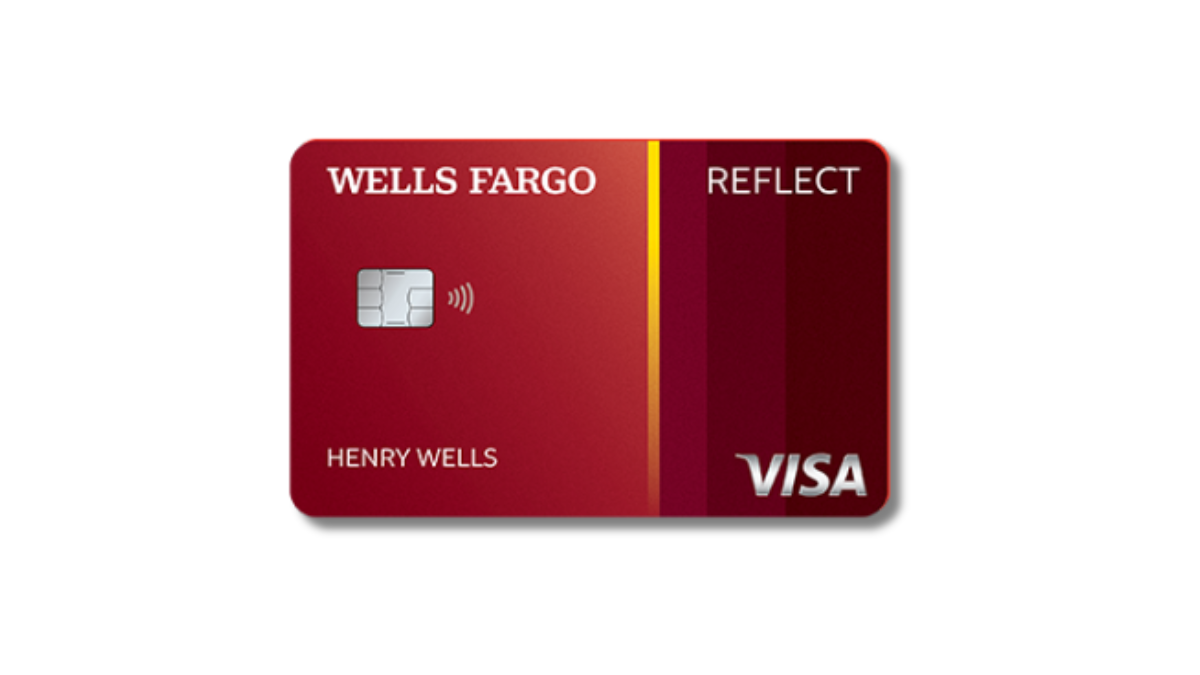
Wells Fargo Reflect® Card
| Purchase APR After Intro | 17.74%–28.49% Variable |
| Intro Purchase APR | 0% for up to 21 months |
| Balance Transfer APR | 0% for up to 21 months (for transfers in first 120 days) |
| Annual Fee | $0 |
| Balance Transfer Fee | 3% ($5 minimum)—increases for transfers after 120 days |
| Foreign Transaction Fee | 3% |
| Penalty APR | None disclosed |
| Bonus Categories | None—focus on intro APR, not points or cash back |
| Minimum Credit Limit | Varies by applicant qualification |
| Takeaway | Long 0% APR, no annual fee, best for balance carriers and big purchases |
Review the current cardmember agreement online to verify pricing—rates and fees change, so compare before applying.
Reflect Card: Market Fit and User Experience
This card targets people who need financial flexibility above everything else. The central promise is giving buyers as much as 21 months to pay balances without interest.
Unlike cash-back or travel cards, the Reflect Card doesn’t track bonus points or rotating merchant categories. Instead, it rewards with peace of mind—predictable payments and no annual cost.
Most Reflect Card users lean on it for sizable purchases that would take a year or two to repay. It’s commonly used for home projects, medical expenses, or debt consolidation.
Contactless tap payment and chip security come standard, making daily purchases smooth. Services like 24/7 roadside dispatch or up to $600 cell phone protection help round out its protective personality.
Key Benefits for Cardholders
The Reflect Card packs several features that support real-world needs. Each benefit comes with an actionable way cardholders can put it to use in daily life or emergencies.
- Enjoy up to 21 months of 0% introductory APR on purchases—manage planned expenses over time without racking up interest.
- Get the same 21-month 0% intro APR on balance transfers made within the first 120 days—consolidate higher interest credit card debt right away.
- Pay no annual fee—keep the card even in low-activity months without worrying about a lurking charge.
- Use Cell Phone Protection by paying your monthly wireless bill with the card—get up to $600 in protection for damage or theft, minus a $25 deductible.
- Access Roadside Dispatch—receive towing or emergency assistance as needed, offering peace of mind for drivers.
- Activate My Wells Fargo Deals—periodically receive targeted merchant rebates as statement credits just for shopping where you normally do.
- Track your FICO® Score with Credit Close-Up—enroll online for monthly score updates to make smarter credit decisions.
- Zero liability protection—report unauthorized transactions promptly and you’re not held responsible for fraudulent charges.
These benefits are actionable for day-to-day living. Cardholders looking to avoid interest, manage expenses, and protect their phones will see immediate utility.
Pros and Cons: Real Trade-Offs
Knowing the positives and negatives is the best path to making a confident card choice. Here’s what to weigh for the Reflect Card:
Pros
- Transfer higher-interest balances and pay them down faster thanks to the 21-month 0% APR window—ideal for debt payoff plans.
- Skip the yearly cost and keep open credit with $0 annual fee—helps your credit history even if you rarely use the card.
- Get automatic cell phone insurance when you pay your bill, saving money if your device is lost or damaged.
- Contactless tap and chip payments are secure and convenient for busy checkout lanes.
- Zero liability coverage takes stress out of reporting fraudulent charges promptly.
- Roadside Dispatch access—just call for help if your car breaks down without a separate membership.
Cons
- No cash-back or travel rewards—users seeking points for daily spending should consider other options.
- Foreign transaction fee of 3% makes it an expensive choice for global travelers or overseas online shopping.
- Balance transfer fee applies—plan your transfers early to lock in the lowest cost possible.
- After 21 months, revert to a high variable APR, so outstanding balances could accrue significant interest without payoff discipline.
- Bonus intro APR requires transfers within 120 days—miss this window and you lose the full benefit.
- Not ideal for people who want automatic cash rewards—there’s no passive earning beyond the initial APR savings.
A Realistic Cardholder Story
Kimberly, a middle manager in Seattle, had $7,000 across two credit cards with above-average rates. She needed a manageable way to reduce those high-interest bills.
She opened a Reflect Card, transferred both balances immediately, and didn’t use the Reflect Card for new purchases. For 21 months, she made steady payments on the balance, zeroing in on what she owed without added interest.
When her phone screen cracked, her cell bill was linked to the Reflect Card. She activated the included protection and got a $295 repair reimbursed, minus the $25 deductible.
Kimberly’s day-to-day payment flow barely changed, but the combination of protection, gradual payoff, and no annual fee helped her stay in control as she reset her budget.
Eligibility: Who Can Qualify?
Most applicants for the Reflect Card will need a good to excellent credit score, typically above 670. This isn’t a starter card for those new to borrowing.
Status and identity are verified by common means—name, address, Social Security number, and sometimes income documentation if there are questions about your application.
Lenders will review your current credit profile: outstanding balances, recent inquiries, payment history, and your ability to service new debt.
Check your credit for errors before applying. Paying down debts, catching up past due accounts, and verifying income on your documents increase your odds of approval for cards in this tier.
How to Apply: A Practical Step-by-Step Walkthrough
Applying is straightforward if you prep. Here’s an outline to make the process hassle-free:
- Read the latest terms—APR, balance transfer intro window, and fees—so you know exactly what you’re signing up for and that the perks match your needs.
- Collect your Social Security number, address, employment data, and annual income—the application cannot proceed without them. Have proof handy if needed.
- Review your credit report for accuracy. Clean up errors or unauthorized activity that could slow or hurt your application.
- Use the official website or recommended channel to apply. Never submit sensitive info via public WiFi, and confirm the URL is secure.
- Double-check your entries before submitting. Sending clean, accurate details speeds up approvals and helps you avoid hold-ups.
- Wait for the decision, which may be instant or take a few days. Watch your inbox or dashboard for next steps—sometimes the bank requests more details.
- If approved, activate your card by calling the number provided or logging into your new online portal. Set up monthly alerts or add the card to your phone wallet for easy usage.
With card in hand, you can enroll in cell phone protection or set up regular payments to maximize all benefits right away.
Wells Fargo Reflect® Card
The Best Matches: Who Will Love This Card?
Paydown planners who want to eliminate past-interest debt—not stack up new rewards—should put the Reflect Card at the top of their list.
Budgeters who value protective perks like cell phone insurance and quick roadside dispatch, but don’t want to pay for infrequent use, also fit the profile.
People who use cards for large projects or big family needs, and who appreciate a clear, interest-free repayment window, are top candidates.
Anyone who dreads annual fees or penalty APRs gets a flexible, low-cost tool with few maintenance headaches when needs change.
Who the Reflect Card Might Not Suit
Everyday cash-back shoppers or travel hackers will find limited value here. The long intro APR is the chief attraction, not easy points or miles.
Those making frequent foreign transactions will chip away savings on every purchase—consider a no-foreign-fee card if you live near a border or buy globally.
Shoppers who regularly pay off balances in full every month may not need 21 months of 0% APR—other options could net more value via rewards.
Folks who want a one-card wallet with robust earning incentives bundled in will likely prefer a premium rewards or co-branded travel card.
Final Verdict: Should You Consider the Wells Fargo Reflect Card?
The Reflect Card’s longest 0% APR intro period remains its best trait for balance transfers and new purchases. No annual fee and practical perks boost its appeal for those with short-to-mid-term financing needs.
The card isn’t a fit for everyone—lack of rewards and the foreign transaction fee are big factors if your purchasing patterns demand more.
People most likely to value this card are those committed to interest-saving plans, debt reduction, or needing safety nets like cell protection as part of their budgeting strategy.
If you’ve got big-ticket needs or want to consolidate debt without long-term commitment, this is a strong option. Be sure to compare current terms online before choosing, and honestly evaluate your payment behavior to make it work for you.