The Home Depot® Consumer Credit Card: 0% Financing and One-Year Returns for Big Projects
Sorting through credit card options can feel overwhelming. Most people just want clear answers about fees, rewards, and whether a card stays useful beyond the first purchase.
The Home Depot Consumer Credit Card is tailored for shoppers with home improvement plans. It’s not a general rewards card.
Anúncios
Instead, it’s designed to stretch your buying power at Home Depot locations and homedepot.com. This card is especially tempting for shoppers making larger project purchases.
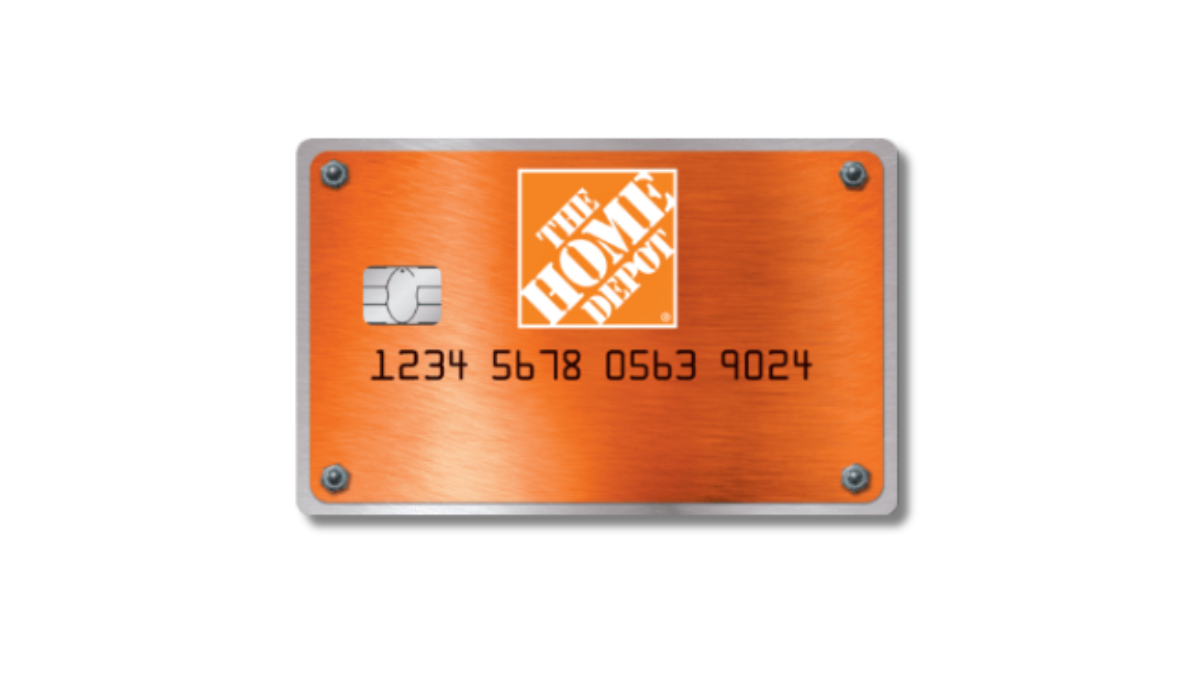
The Home Depot® Consumer Credit Card
| APR Range | 29.99% variable (as of June 2024) |
| Annual Fee | $0 |
| Balance Transfer Fee | Not available |
| Foreign Transaction Fee | Not available (store use only) |
| Penalty APR | See issuer’s terms |
| Bonus Categories | Special financing on $299+ purchases; longer return window |
| Minimum Credit Limit | Issuer may approve as low as $500, varies by applicant |
| Takeaway | Check your budget and project expenses to ensure you can pay off balances during promotional periods to avoid interest. |
Issuers sometimes update terms, so always review the latest disclosure document before applying.
Why Home Depot’s Card Focuses on Project-Based Shopping
This card doesn’t try to cover everyday expenses. It’s a store card, usable only for Home Depot purchases online and in store. Most cardholders seek it out to finance home upgrades.
There’s no traditional cash-back or point system. Instead, the real draw comes from deferred-interest offers on big purchases. Qualified purchases over $299 typically get six months with no interest if paid in full by the end of that period.
Cardholders often use this card to break up project costs—think new appliances, flooring, or major tool purchases. Instead of paying all at once, they spread spending out as the project unfolds.
It stands out by extending the return window on purchases made with the card, turning the standard 90-day policy into a full year for eligible items.
Discover the Card’s Most Practical Benefits
The Home Depot Consumer Credit Card delivers its best value for project spenders and frequent DIYers. Here’s what users can do with the card in detail:
- Finance $299+ purchases for six months interest-free—buy big-ticket items and manage your cash flow by paying over time.
- Enjoy 12-month returns on most purchases—return unused items for a full year, much longer than the standard policy.
- Choose your own payment due date—pick any day of the month for aligning payments with your cash inflows.
- Access occasional 24-month special financing offers—watch for periodic promotions, especially around holidays or renovation season.
- Get $0 liability on unauthorized charges—rest easy knowing you’re protected if your card is lost or stolen.
- Use 24/7 live customer service—call anytime, including weekends, for help with your account.
- Skip annual fees—keep the card costs low with a $0 yearly maintenance charge.
- Consider other options for businesses—Home Depot also offers Pro Xtra and Commercial Accounts for contractors and enterprises.
These features work best when tied to project-based shopping, so the more you align spending with home improvement plans, the more you benefit.
Weighing the Real-World Pros and Cons
Balancing what you gain and what you give up helps pinpoint if the Home Depot Consumer Credit Card fits your routine. Consider daily use cases as well as rare exceptions.
Pros
- Finance new appliances or tools without interest during promo periods—stretch payment schedules to fit your budget.
- Return unopened project supplies for up to a year—decrease risk when buying in bulk or trying new materials.
- Align payment dates to your paychecks—reduce the chance of missing a due date and paying late.
- No annual fee—even occasional Home Depot visitors pay nothing if the card is unused.
- Strong fraud protections—enjoy free $0 liability, especially for online or mobile transactions.
- Access exclusive financing deals—save on renovations by timing purchases during extended financing promotions.
Cons
- Usable only at Home Depot—bring another card for gas, groceries, or non-DIY shopping.
- No direct cash back or points—miss out on broader rewards that standard cards provide.
- High regular APR if balances carry beyond promo periods—avoid carrying debt month-to-month to skip costly interest.
- No balance transfers or cash advances—cannot help with consolidating other debts or emergency cash.
- Approval often requires fair-to-good credit—applicants with little history may face low limits or denial.
- Card inactivity may not help your credit profile—using only for rare projects gives limited credit-building potential.
Meet a Typical Home Depot Card User in Action
Fatima is planning to remodel her kitchen and heads to Home Depot for cabinets, sinks, and lighting. She opens the store card to access the six-month financing offer on her $1,200 purchase.
By spreading payments across six months with no interest, Fatima keeps her monthly budget steady. She tracks her due date through the Home Depot account dashboard, scheduling payments to match her regular paycheck.
Midway into the project, Fatima realizes she over-ordered tile. Thanks to the card’s extended return window, she brings back unopened boxes long after the 90-day mark and receives a full refund to her account.
At the end of the year, Fatima’s renovation is complete and she’s avoided extra interest charges. The Home Depot Consumer Credit Card enabled her to maximize value and flexibility without overextending herself.
Understand What It Takes to Qualify for the Card
The Home Depot Consumer Credit Card generally expects applicants to have fair to good credit. FICO scores above 640 typically improve your approval odds.
Applicants must verify identity with government-issued ID, Social Security Number, and U.S. address. The application requests income details to ensure repayment ability.
Lenders usually check your credit history, current debts, other credit lines, and income stability. Late payments, recent delinquencies, or high utilization may block approval or reduce your credit limit.
Improving credit scores—by paying down existing balances, avoiding applications for new credit, and correcting reporting errors—increases the chances of a positive decision and better terms.
Follow These Steps to Apply for the Home Depot Card
Applying for a Home Depot Consumer Credit Card can be straightforward when you break it into simple steps. Here’s how to get started and set yourself up for a smooth process:
- Read through the latest terms and promotional offers published by Home Depot and Citi. Decide if this card aligns with your project plans and budget.
- Gather necessary information. You’ll need your address, contact information, government-issued ID, Social Security Number, and estimates of monthly and annual income before starting your application.
- Review your credit report for accuracy via one of the free annual services. Resolve any outstanding delinquencies or errors first for better approval odds and higher credit limits.
- Visit the official Home Depot card application page online, or apply in person at a store. Follow all on-screen instructions or staff requests.
- Submit your application and keep an eye out for verification requests or additional documentation, such as pay stubs or utility statements if needed.
- Most applicants receive an instant response. Others may wait one to two business days. Once approved, expect your card by mail within 7-10 days.
- Activate your physical card by calling the number attached to it. Set up your account online to track balances, schedule payments, and access digital statements.
After activation, you can start using your card in stores or online. Remember to monitor spending and set up payment reminders from the start.
The Home Depot® Consumer Credit Card
Decide If This Card Matches Your Needs and Habits
The Home Depot Consumer Credit Card is a bullseye for shoppers who regularly tackle mid-to-large renovation or DIY projects at home. It gives project managers and hobbyists alike more payment flexibility.
If you’re someone who thinks in terms of seasonal improvements—deck overhauls, bathroom updates, spring painting sprees—having a year-long return window can keep costs under control and reduce shopping stress.
Budget-minded individuals who pay balances in full before the end of promotional periods will maximize the card’s financing offers without surrendering money to interest.
Organized planners who remember their due dates, track purchases, and value extended returns fit the profile of shoppers who benefit most from this store card.
Who Might Look for an Alternative Card
Consumers who don’t shop at Home Depot—contractors loyal to other suppliers, for example—won’t find ongoing value since the card can’t be used elsewhere.
If you prefer cards offering cash-back, travel rewards, or flexible points, you’ll find more versatile choices in the general credit card market. This isn’t a replacement for everyday use cards.
Those who struggle to pay off balances during promo periods may face steep interest charges. The card’s high APR can outweigh any short-term benefit if finances fluctuate.
Travelers or frequent online shoppers needing international coverage or balance transfer tools should explore mainstream credit cards with broader uses and rewards structures.
Final Verdict: Should You Apply for the Home Depot Consumer Credit Card?
This store card shines for home improvement fans looking to finance projects and gain extra time for returns. Its clearest strengths are promotional financing, a no-fee structure, and long return windows.
On the flip side, the limited usability—valid only at Home Depot stores or their website—means it won’t serve as your main credit card. Its high APR also encourages disciplined repayment behavior.
Anyone planning big-ticket purchases for their house, with a realistic plan to pay balances during promo periods, will appreciate the Home Depot Consumer Credit Card. It’s a tool, not a reward-chasing engine.
Before you hit Apply, review the card’s official online terms to catch any updates. Compare your current spending and project timelines to make sure it fits your upcoming needs. A smart timeline and payment strategy will unlock the most advantages, while helping you sidestep costly interest.