Chase Sapphire Preferred® Credit Card Review:Unlock travel, dining and peace of mind
This review covers a rewards credit card that’s become well-known for its strong travel and dining features. If you’re looking to maximize point redemption and perks, this card aims to give frequent travelers and foodies significant value.
Below, you’ll get the details you need—fees, bonus categories, redemption options, and an honest look at who benefits most. Read on to see if this card fits your real-life habits.
Anúncios
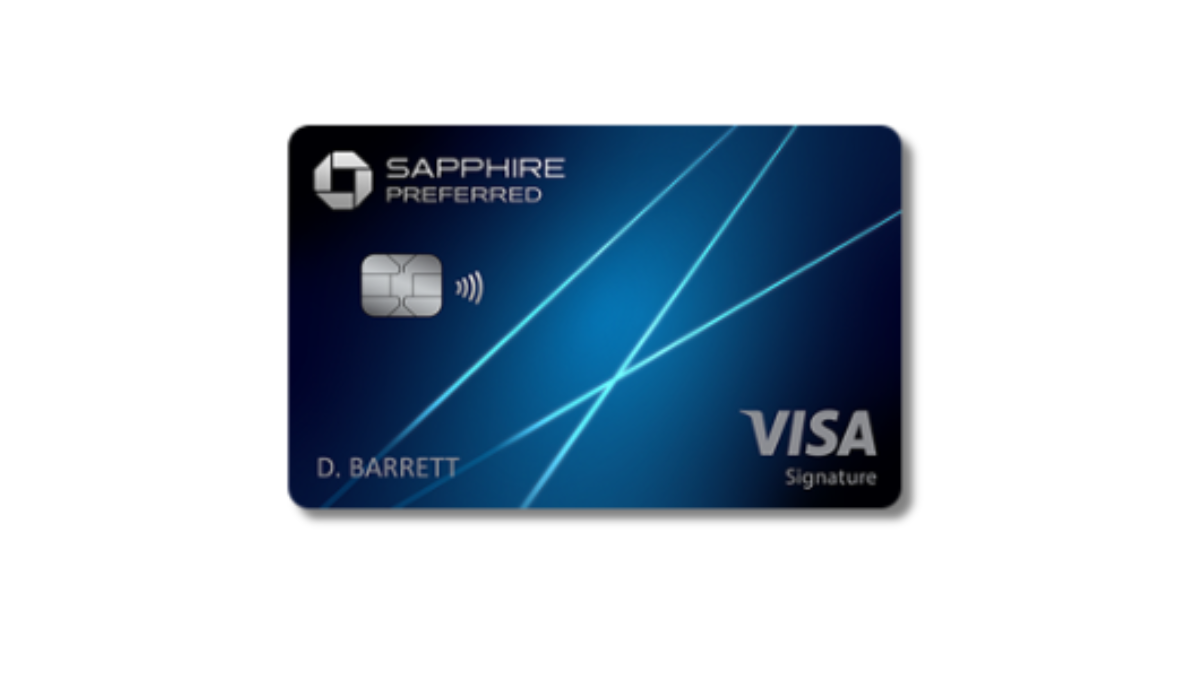
Chase Sapphire Preferred® Credit Card
| APR Range (Variable) | From 21.49% to 28.49% depending on creditworthiness |
| Annual Fee | $95 |
| Balance Transfer Fee | Either $5 or 5% per transfer, whichever is greater |
| Foreign Transaction Fee | None |
| Penalty APR | Up to 29.99%, variable |
| Bonus Categories | 5x travel (through issuer portal), 3x dining, 2x other travel, 1x on all purchases |
| Minimum Credit Limit | $5,000 (typical but may vary) |
| Takeaway | Weigh the annual fee and bonus multipliers against your spending to decide if this structure pays off for you. |
Issuers can adjust terms or change bonus categories. Always verify the latest details on the official site before applying.
Chase Sapphire Preferred® Credit Card Overview
This mid-tier travel rewards card targets users who want both everyday and travel bonuses in one package. It prioritizes flexibility, point transfer, and usability for those with moderate to high monthly spending.
Points accumulate at accelerated rates on travel booked through the issuer’s site and on dining, including takeout and eligible delivery. Other purchases earn slower, but every dollar adds up over time.
Cardholders often add this card to their wallets for purchases like flights, hotels, restaurants, ride-shares, and even streaming services, pairing it with a simple cash back card for everyday items.
Distinctive features include a strong sign-up bonus, the ability to transfer points to airline and hotel partners, and a hotel credit. These elements shape its reputation as a points powerhouse among avid travelers and food lovers.
Key Benefits of the Chase Sapphire Preferred® Credit Card
The rewards and perks of this card go well beyond the sign-up bonus. Here’s a breakdown of what you actually get and ways to act on the benefits.
- Earn a 75,000-point bonus after you spend $5,000 in the first three months—redeem for travel, gift cards, or cashback to offset upcoming trips.
- Receive 5x points per dollar on travel purchases through the issuer’s portal—plan all flights and hotels through the portal to maximize rewards.
- Get 3x points on dining in the U.S., including delivery services and takeout—always use this card for restaurant outings or DoorDash orders to compound points.
- Annually get up to $50 in hotel statement credits—use each year for single-night hotel stays or staycations booked via the issuer’s travel portal.
- Transfer points one-to-one to leading airlines and hotels—move points strategically when there’s an award seat or discounted stay you want.
- Redeem through the travel portal at an improved value—each point is worth 25% more when you use them for travel bookings.
- Access extended warranties and purchase protection—use the card for tech, luggage, or major purchases to add extra security automatically.
- Benefit from no foreign transaction fees—carry it abroad and avoid extra currency conversion charges at hotels and merchants.
The benefits fit most users with concentrated spending on eating out, travel, and occasional bigger-ticket purchases. Regular redemptions turn routine habits into something extra.
Pros and Cons of the Chase Sapphire Preferred® Credit Card
Every card has strengths and drawbacks. Understanding both sides lets you match the card to your real financial life, not just theoretical perks.
Pros
- Unlock a large sign-up bonus by meeting spend—great for covering travel costs in your first year or offsetting holiday spending.
- Use versatile point transfer partners—combine points from everyday spending and pivot to airlines or hotels for bigger value.
- Earn boosted points on both travel and dining—stack points quickly if those are your largest categories.
- Apply hotel statement credit—easily extract $50 value each year if you book at least one hotel through the travel portal.
- Pay no foreign transaction fees—use internationally without worrying about extra costs, ideal for frequent or even occasional travel outside the U.S.
- Get travel protection coverage—trip cancellation, delay, and baggage insurance can save you hundreds during disruptions.
- Access special partner offers—DoorDash perks and Lyft or Peloton rewards add extra value for those services.
Cons
- Annual fee requires regular usage to be worth it—make sure your travel and dining expenses add up to net positive value.
- Bonus multipliers require booking through the portal—travel purchases outside the platform won’t earn the boosted 5x rate.
- Redemption value for cash back is lower—the best value comes from redeeming for travel or transfers, not straight cash.
- Sign-up bonus requires significant upfront spend—plan large purchases or bills in the first three months to qualify without overspending.
- Minimum credit limit may not fit all budgets—smaller spenders or those new to credit may find the $5,000 floor challenging.
- Potential penalty APR—missed payments can bump your rates significantly, so use autopay or reminders to stay on track.
- Requires good to excellent credit—applicants with limited or damaged credit are likely to be declined and should consider building credit first.
How Michael benefited from his Chase Sapphire Preferred® Credit Card
Michael is a mid-30s tech professional with routine travel for conferences. He uses this card for all his work trip bookings and dines out at least twice a week.
Last year, he spent $7,000 in three months thanks to a planned laptop upgrade and prepaid a family vacation—meeting the initial bonus threshold without unnecessary purchases.
When a snowstorm delayed his flight home, trip delay insurance covered $250 in impromptu meals and hotel expenses without a hassle, sparing him out-of-pocket cost.
The card fits in his daily wallet alongside a cash back card for groceries. He values simplicity: big travel, frequent dining, and always looking to squeeze the most out of points transfers to mileage programs.
Eligibility Requirements
This card generally expects applicants to have good to excellent credit, with FICO scores above 690 being competitive. Some applicants may be approved with slightly lower scores but strong financial habits.
Issuers will ask for proof of identity, annual income, permanent residence, and may verify employment. Keeping records up to date makes the process smoother.
When you apply, the bank checks credit reports for payment history, debt-to-income ratios, and recent new accounts. Opening multiple cards in a short time can hurt your chances.
Applicants can boost approval odds by paying on time, maintaining low balances, fixing report errors, and waiting at least six months between new credit card applications.
How to Apply for the Chase Sapphire Preferred® Credit Card
This process is designed to avoid surprises and speed up approval if you’re prepared. Small steps now can save delays and help you lock in your welcome offer on time.
- Review all terms and make sure the rewards and fees fit your spending style and travel or dining goals for the coming year.
- Gather social security number, address, income documentation, and employer info—the application requires all these to verify your identity and ability to pay.
- Pull your credit report for free using a trusted site to confirm there are no surprises or errors that could impact approval.
- Apply online through the official issuer or in-person at a branch location if you prefer—avoid third-party sites that aren’t the direct card provider.
- Double-check your application details for accuracy, then submit and wait for instant or same-day approval. Occasionally, extra review takes a few days.
- Once approved, follow card activation instructions—many cards can be added to digital wallets instantly even while you wait for the physical card to arrive.
- Start tracking your initial spending toward the sign-up bonus and set up notifications so you never miss a bill or benefit.
Once you have the card, read the official benefits guide and set up autopay to avoid interest or missed payments. Then put it to work in your budget.
Chase Sapphire Preferred® Credit Card
Who the Card Is Best For
This is a smart match for people whose top spending areas are travel and eating out—think busy professionals, frequent flyers, or those who love weekend getaways and restaurants.
Organized points seekers enjoy planning trips around transfer partners and leveraging the travel portal for bonus redemptions, stacking value every year.
Savvy users maximize annual credits and partner perks and aren’t bothered by a modest annual fee if it consistently pays them back in rewards and protections.
The card also helps people who want to simplify—earning flexible points on key categories and using one account to book flights, hotel stays, and major purchases all in one place.
Who Would Not Benefit Much from This Card
Low spenders, users who mostly buy groceries or shop at big box stores, and cardholders who never book through partner travel portals may not see great value.
Fans of flat, simple cash back with zero categories or rotating rewards will likely find the annual fee and point calculations more trouble than they’re worth.
If you almost never travel or eat out, your rewards tally will lag behind no-annual-fee options that focus on everyday base spending instead.
Those looking for major premium benefits—like airport lounge access or higher-tier airline perks—may want a higher annual fee travel card or a different rewards structure altogether.
Final Verdict
This card shines for users who focus their spending on travel and dining, consistently unlocking valuable bonus points and partners with a simple, usable setup. The sign-up bonus and point transfer program open big value for travelers planning ahead.
The main trade-off is the $95 annual fee and needing to book travel through the issuer’s portal to max out rewards; if you don’t, your effective return will shrink.
It’s not best for flat cashback seekers or those who rarely travel, but it’s a tried-and-true performer for organized spenders who don’t mind tracking categories and redemptions.
If your current spending lines up with the bonus categories and you’re committed to extracting value through transfers or travel credit, you’ll find this card fits right in your wallet.
Take your next step by reviewing the issuer’s current terms and thinking through your budget and travel plans. Smart matching now can mean a more rewarding year ahead.