Chase Freedom Flex® Credit Card review: Why Savvy Savers Love This Card (and You Might Too)
The Chase Freedom Flex is designed for consumers aiming to earn cash back across a range of everyday categories. It’s built for those wanting a mix of rewards, flexible redemption, and no annual fee.
This article shares real numbers on fees, APRs, and category bonuses. You’ll get a neutral view of how the card works, who it helps most, and where its strengths and limits appear.
Anúncios
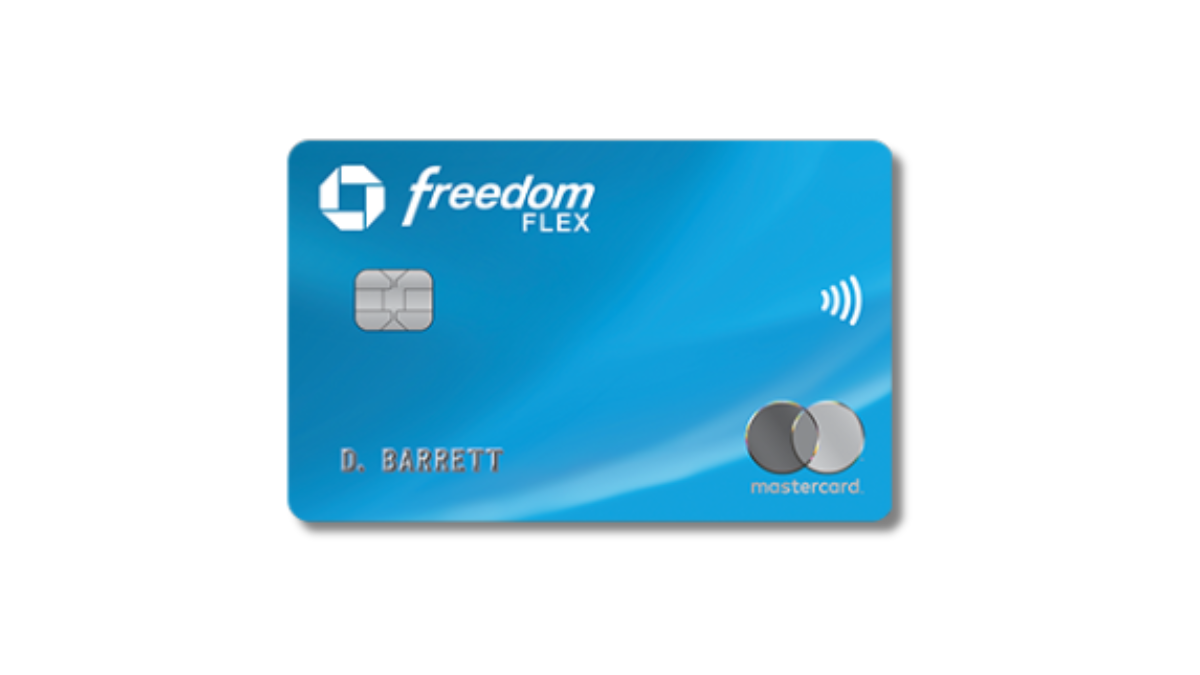
Chase Freedom Flex® Credit Card
| Purchase APR Range | 18.49% – 29.99% variable after intro |
| Intro Purchase APR | 0% for 15 months from account opening |
| Balance Transfer Fee | Either $5 or 5% of the transfer amount, whichever is greater |
| Annual Fee | $0 |
| Foreign Transaction Fee | 3% of each transaction in US dollars |
| Penalty APR | Up to 29.99% variable |
| Bonus Categories | 5% on quarterly categories (up to $1,500/quarter), plus 5% on travel via Chase, 3% dining/drugstores, 1% elsewhere |
| Minimum Credit Limit | Varies by approval, typically at least $500 |
| Takeaway: Check each term before applying, as fees may change and bonus categories rotate quarterly. | |
Make sure to always verify the latest terms directly with the issuer before you submit your application.
Card Overview
The Freedom Flex seeks to combine simplicity and high-value rewards. It markets itself as the card for maximizing cash back in rotating categories while still offering steady earnings elsewhere.
The main draw is quarterly 5% cash back on select categories like groceries, Amazon, or gas, paired with 5% on Chase Travel, 3% at dining and drugstores, and 1% everywhere else.
Many users carry it for daily routines – groceries, takeout, pharmacy runs, or big purchases that might fall into quarterly categories. The 5% rotation rewards users who plan their spending ahead.
The card’s no annual fee, introductory 0% APR period, and World Elite Mastercard perks give it added personality among mainstream cash back options.
Key Benefits
Cardholders get a practical suite of benefits designed for frequent spending on common needs. Here’s how those perks work in real life:
- Earn a $200 cash back bonus after spending $500 in the first 3 months; quick wins for new cardholders making routine purchases.
- Get 5% cash back each quarter on up to $1,500 in combined purchases in featured categories—track the calendar and activate each period.
- Access 5% cash back on all travel booked through the Chase Travel portal—double-dip if quarterly bonus matches your trip’s timing.
- Score 3% cash back on dining, including takeout and eligible delivery—useful for both home cooks and fans of restaurants.
- Earn 3% on drugstore purchases, enabling rewards for everyday health or household supply runs.
- Activate six months of free DashPass with DoorDash and Caviar delivery—unlocks $0 delivery fees for food and non-restaurant orders.
- 2% back on Lyft rides through September 2027, stackable with other cash back benefits for city commuters or occasional ride-sharers.
- Zero liability, extended warranty, purchase protection, and cell phone protection for peace of mind when using your card.
These benefits reward users who regularly shop in featured categories, use delivery, and want built-in protections for major purchases and travel.
Pros and Cons
Weighing the upsides and downsides helps you decide if this card lines up with your financial goals and spending habits.
Pros
- Grab a generous $200 intro bonus for typical new cardholder spending—no need for large purchases.
- Use 5% cash back in rotating categories for rapid rewards, like stacking grocery or streaming purchases.
- Take advantage of zero annual fee, making it simple to keep open long term for credit history.
- Enjoy 0% intro APR for big-ticket needs or building a balance transfer strategy early on.
- Stack multiple cash back rates when purchasing travel, dining, or drugstore items.
- Redeem rewards as cash, statement credit, or through flexible options like Amazon checkout or gift cards.
- Benefit from value-added perks—DoorDash DashPass, Lyft cash back, cell phone coverage—at no extra cost if you use them.
Cons
- Track rotating 5% categories each quarter—missing activation reduces your total rewards.
- Expect foreign transaction fees — not the best fit for frequent overseas travelers.
- Quarterly $1,500 cap on 5% cash back means value drops for bigger spenders.
- Variable regular APR after introductory period—carry a balance and interest will be high.
- Cash back on categories may depend on how merchants are classified—some purchases may not earn the expected bonus.
- DoorDash DashPass and Lyft rewards have promotional time limits, so benefit diminishes long-term if you don’t frequently use them.
How Alysa benefited from the Chase Freedom Flex® Credit Card
Alyssa, a working parent, put the Freedom Flex to the test for her family this spring. She brought the card to the grocery store, cashed in on 5% back while the quarterly bonus was active.
Weekly pizza nights meant consistent 3% cash back at her local pizzeria, and every few weeks, she earned 5% more by booking a hotel on Chase Travel for a family wedding.
One month her son dropped his cell phone. Thanks to cell phone protection from paying the bill with the card, her out-of-pocket cost stayed under $50 for the repair.
Instead of points collecting dust, Alyssa redeemed $150 in cash back as a statement credit, offsetting family groceries. The quarterly bonus system kept her engaged, planning big-ticket shopping for the right window.
Eligibility Requirements
Expect to need a good to excellent credit score—typically 670 or higher—when you apply for most rewards cards like this.
Issuers usually verify your United States residency, Social Security number, and steady income. Employment info is standard; occasional extra documentation may be required for high limits.
Cards get approved after credit bureaus confirm your payment history, usage patterns, and recent hard inquiries. Too many open accounts or recent applications can affect approval odds.
Improve your chances by making on-time payments, keeping balances low, and ensuring your credit reports are accurate before applying. Avoid new credit applications for a couple of months before you submit.
How to Apply for the Chase Freedom Flex® Credit Card
Getting this card is straightforward if you follow a clear sequence:
- Review the card’s fees, bonus categories, and user perks. Align your goals—like getting big cash back on groceries or travel—before committing.
- Gather your social security number, employment and income confirmation, and address information. Make sure you can provide recent pay stubs or employer details if requested.
- Check your credit score with a reputable service, and review credit reports for errors or accounts to settle ahead of time.
- Apply either online via the official issuer’s secure portal or in-branch at a participating location for the potential of in-person Q&A.
- Submit the completed application and wait for a response—most hear back in minutes, but secondary review or high limits could mean a few days.
- If approved, review your credit limit and set up payment alerts, activate the card upon delivery, and consider enrolling in DashPass or other perks right away.
Start using your card for your highest-reward category purchases as soon as it’s activated—the first three months can be critical for earning the sign-up bonus.
Chase Freedom Flex® Credit Card
Who the Card Is Best For
This card fits folks who spend across several featured bonus categories each quarter and like to plan their purchases to maximize rewards.
Those who keep a busy household or split spending between groceries, dining, drugstores, and online shopping will likely see strong returns over the year.
People who pay their balances in full each month get the most from the cash back, since avoiding interest is key. The card also favors reward chasers willing to track bonus categories.
If you value travel, eat out (or order in), and use rideshares or delivery platforms, the Freedom Flex naturally matches those habits with extra value.
Who Would Not Benefit Much from This Card
Those who have trouble remembering or managing category activations might miss out on 5% cash back opportunities and feel frustrated.
People who mostly spend outside the rotating or featured categories may find the flat 1% rate less rewarding than a simple flat-rate card.
Travelers who frequently buy outside the US or want premium lounge access, hotel upgrades, or no foreign transaction fees may want other cards in their wallet.
Anyone who prefers never to pay attention to changing rewards structures or simply wants elite travel perks may be better off with a premium or ultra-simple cash back card.
Final Verdict
The Chase Freedom Flex delivers real, consistent value to users who spend in its featured categories and want a flexible cash back platform with extras.
It lacks premium travel features and requires active tracking of quarterly categories, but it shines with everyday spenders, budgeters, and families who like no annual fee and easy redemption options.
The biggest strength is the reliable mix of bonus earnings and consumer protections, making it a leading choice for well-structured household spending.
It’s not the best pick for those looking for international perks or very high, uncapped earnings, but it’s close to ideal for US users optimizing routine purchases.
Compare the latest terms, check your budget, and decide if the category calendar syncs with your lifestyle. The flexibility gives many a reason to keep this card top of wallet.