Prime Visa credit card: Maximize Rewards with Amazon and Chase Partnerships
The Prime Visa fits the needs of shoppers invested in Amazon, Whole Foods, or Chase Travel—people looking for strong cashback and daily rewards.
It balances robust rewards with flexible redemption, catering to anyone who spends regularly at these retailers or wants extra coverage on travel and purchases.
Anúncios
This article cuts through the clutter, showing how the Prime Visa handles fees, rewards, and whether it suits your wallet. You’ll see comparisons, examples, and step-by-step use cases, all with realistic detail.
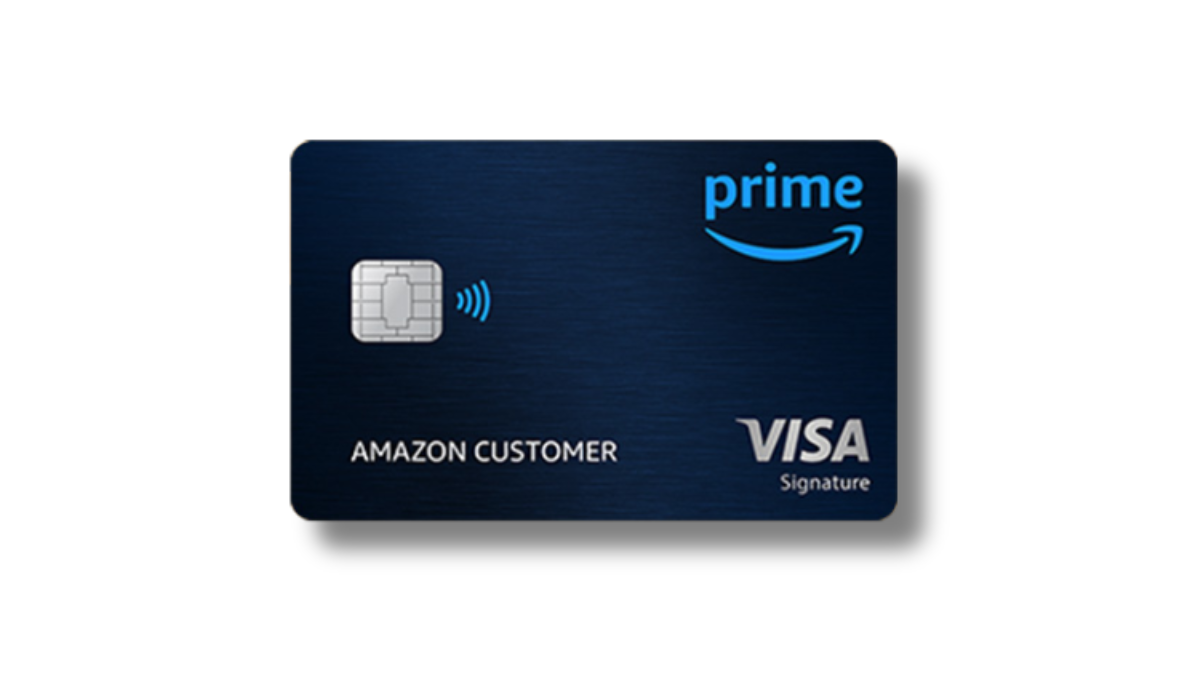
Prime Visa credit card
| APR Range | 18.99%–29.99% variable (check issuer’s current offer) |
| Annual Fee | $0 |
| Balance Transfer Fee | 5% of each transfer (minimum $5) |
| Foreign Transaction Fee | $0 |
| Penalty APR | See issuer terms; may apply for missed payments |
| Bonus Categories | 5% at Amazon.com, Whole Foods, Amazon Fresh, Chase Travel; 2% at restaurants, gas, transit; 1% elsewhere |
| Minimum Credit Limit | Issuer-determined; often $500 or higher if approved |
| Takeaway | Check the latest online terms and tailor your application to your regular spending categories for best results. |
Always visit the official issuer’s website for the latest rates and information before applying, as terms can change without notice.
Amazon Prime Visa Card Overview
This card positions itself as the top choice for shoppers loyal to Amazon and its partners. It’s designed for people who expect to get more value back when grocery shopping, booking trips, or paying for daily rides.
Cardholders earn rewards primarily as percentage cashback on specific categories. The structure is simple: 5% on Amazon purchases, 2% at common merchants like gas stations, and 1% on everything else.
Many users keep the Prime Visa as their go-to card for big Amazon hauls, travel through Chase, or grocery runs, ensuring those key spends always stack up high rewards.
Features like instant gift card credits with approval, daily reward redemption, and travel protections set it apart by offering both immediate and ongoing value, especially for tech-forward, frequent spenders.
Key Benefits
Prime Visa benefits tackle essentials that come up during daily and large purchases, whether you’re buying household staples or planning getaways.
- Earn an Amazon Gift Card ($250 with promo) upon approval, loaded instantly for fast use and flexible spending.
- Get 5% back at Amazon, Whole Foods, Amazon Fresh, and on Chase Travel—useful for routine shopping or major events alike.
- Score 2% back at restaurants, gas stations, and with local transit—helpful for dinners out, errands, or your daily commute.
- Benefit from 1% back on everything else, making sure no purchase is unrewarded and your everyday buys chip in.
- Avoid annual fees or foreign transaction fees, lowering total card costs for both frequent travelers and homebodies.
- Redeem rewards as soon as the next day on Amazon, or get cashback, gift cards, or travel redemptions through Chase’s platform.
- Tap to pay for fast, secure in-store checkout, adding convenience to your shopping routine without fumbling for change.
- Access travel and purchase protections—such as extended warranty, lost luggage insurance, and zero liability fraud safeguard—that are ready anytime you encounter a mishap.
Together, these benefits let cardholders cover essential needs, slash travel costs, and unlock real value just by using the card consistently at favored merchants.
Pros and Cons
Before picking a card, it helps to weigh up what you gain against what you might give up. Here’s where Prime Visa shines and where it may fall short.
Pros
- Earn strong cashback at Amazon and Whole Foods, maximizing rewards on the largest share of U.S. online shopping.
- Avoid the sting of hidden fees, thanks to $0 annual and foreign transaction fees—even when traveling abroad.
- Benefit from daily reward redemption, so you never need to wait weeks to enjoy your points.
- Get a sizable sign-up bonus gift card instantly upon approval—useful for immediate purchases or gift giving.
- Access built-in travel and purchase protections, turning emergencies, returns, or rental mishaps into less stressful events.
- Tap-to-pay lets you speed through checkouts, fitting easily into contactless-focused stores and transit.
Cons
- Limit major rewards to Amazon, Whole Foods, and travel spending—users who shop elsewhere earn less.
- Require an eligible Prime membership for top rewards, adding to your annual household costs if you don’t already subscribe.
- Offer no introductory 0% APR on purchases or balance transfers, which could limit use for debt consolidation plans.
- Set minimum credit standards that exclude poor-to-fair credit applicants, narrowing who could benefit from the card.
- Points do not increase in value for travel redemption compared to some competitors—stick to cash or Amazon for best simplicity.
- Travel rewards must be booked through Chase Travel, so outside deals or bundled trips elsewhere might not qualify for top-tier cashback.
How Samantha benefited the most from the Prime Visa Card
Samantha shops at Amazon for family essentials, grabs groceries twice a week at Whole Foods, and loves an occasional weekend trip booked with Chase Travel. Swiping her Prime Visa, she hits that 5% reward tier again and again.
One month, she redeemed her points the same day right at Amazon checkout, covering a last-minute birthday gift. No paperwork—just a click during purchase.
During a holiday flight, her luggage got delayed. The built-in baggage protection covered new clothes and toiletries. She didn’t stress, knowing her purchase protection had her back for up to $500 if anything was damaged or stolen.
Samantha loves not worrying about foreign transaction fees during travel, and she relies on simple tap-to-pay at busy stores. The card blends seamlessly into her rhythm, making each purchase smoother.
Eligibility Requirements
Applicants usually need a strong credit score in the good-to-excellent range (often meaning FICO 670 or higher, but see issuer details). This standard maintains low risk for a premium reward structure.
Issuers ask for personal identification (driver’s license or passport), Social Security Number, and income verification. Proof of U.S. residency or citizenship is also typical, aimed at regulatory compliance.
Lenders focus on credit reports, looking at payment history, debt-to-income ratios, and prior card use. Any history of missed payments or defaults can slow or block approval.
To boost approval odds, consider paying down existing balances, double-checking for report errors, and organizing income documentation before submitting an application.
How to Apply for the Prime Visa credit card
Applying for the Prime Visa means making sure you fit the criteria, weighing your regular spending, and planning how to use the card’s benefits after approval.
- Review recent card terms directly on the official issuer’s website, confirming reward percentages and all fees. Decide if these match your shopping patterns and travel routines.
- Gather your Social Security Number, government ID, employment information, and current annual income so the application process runs smoothly start to finish.
- Check your credit report for accuracy. Spot errors or outdated entries and dispute them immediately for the best possible credit standing.
- Submit your application through the trusted, official Prime Visa online page. Avoid third-party links or emails to deter fraud or phishing risks.
- Wait for a decision, which often comes within seconds online but can take up to a week if additional verification is needed.
- If approved, prepare for card activation by reading the agreement’s protection benefits, reward processes, and how to access your instant Amazon Gift Card.
- After activating your card, add it to digital wallets, set up payment alerts, and plan your first Amazon or travel purchase to maximize your sign-up bonus.
Once your card arrives, be sure to set up online account access, add payment methods, and explore partner offers or referral bonuses.
Prime Visa credit card
Who the Card Is Best For
The Prime Visa suits Amazon power users buying everything from tech to groceries, as well as families splitting shopping between Amazon.com and Whole Foods. Rewards pile up on everyday spending.
Tech-savvy cardholders who value convenience—daily rewards, quick redemption, and tap-to-pay—enjoy seamless, low-friction spending experiences online and in-store.
Travelers who value purchase and travel protection appreciate zero foreign fees, coverage for trip mishaps, and built-in insurances that minimize stress.
Budget-conscious users who want fee-free cards but still crave high returns and instant, practical benefits from their spending will see this card deliver without getting bogged down by restrictions.
Who Would Not Benefit Much from This Card
People who rarely shop at Amazon, Whole Foods, or Chase Travel will see minimal cashback. The lower 1% categories offer little to set this card apart in those cases.
Straightforward cashback seekers uninterested in a tiered, category-based system might prefer cards offering the same flat rate everywhere, regardless of merchant or purchase type.
Those wanting introductory 0% APR for purchases or balance transfers as part of a larger credit strategy should look elsewhere, because this card offers none.
International shoppers who focus on overseas Amazon sites or foreign supermarkets will not earn top-tier rates, as the best cashback is limited to selected U.S.-based purchases.
Final Verdict
The Prime Visa stands out for robust, category-specific rewards, instant sign-up bonuses, and broad travel protections—all with no annual fee or foreign transaction charges.
Its main downsides are clear: reliance on Amazon ecosystems, required Prime membership for best rewards, and no interest-free introductory period. Weigh these carefully against your current and projected spending.
Loyal Amazon customers and frequent Whole Foods or Chase Travel users get the most from the card. If your spending rarely lands in these buckets, a flat-rate or specialty card may serve you better.
The next step is to review official terms, weigh your main expenses, and see if the Prime Visa’s structure delivers better value compared to your current setup. Smart shoppers confirm, calculate, and compare—every dollar counts.